Doomsday Again
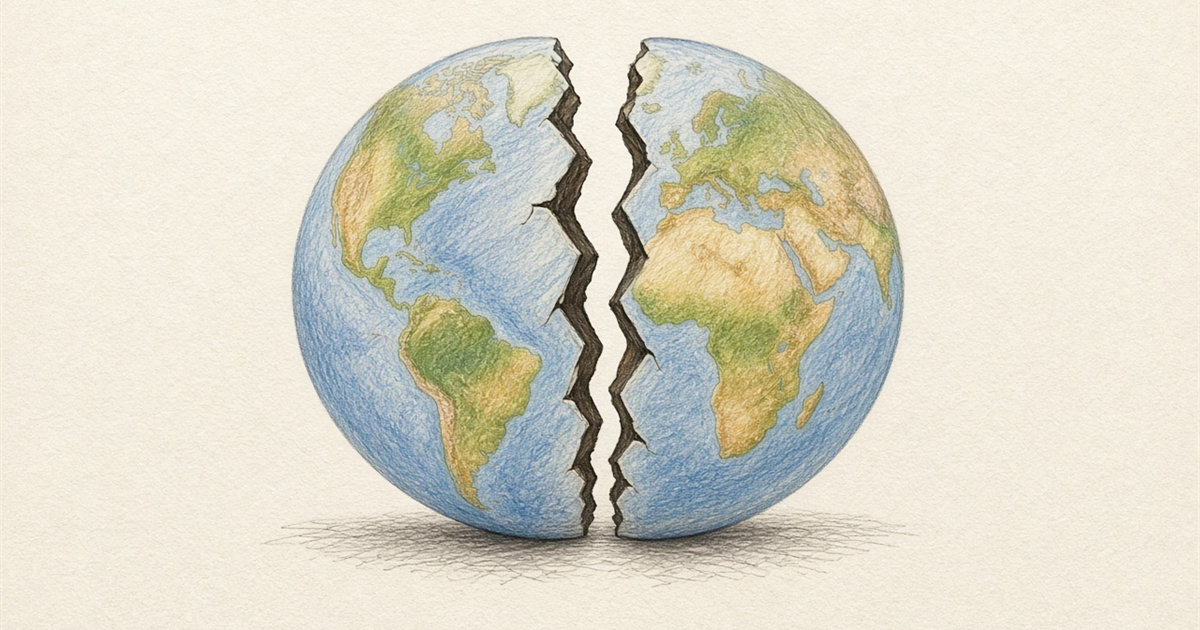
Every era has had a doomer it was willing to treat as a sage. For the last ten years that job has belonged to Robert Kiyosaki.
He got famous on a book. Rich Dad Poor Dad, 1997. A lot of people took something useful from it. A lot of people mainly took the name. The name is the part still working.
The writing has given way to a yearly doomsday call.
In 2002 he put a date on it. Rich Dad’s Prophecy placed the biggest stock and bond crash in history at about 2016, when the baby boomers would retire and sell. He was still on that timetable in 2015.
The year arrived. The S&P 500 finished 2016 higher, not crashed.
A stopped clock is right twice a day.
He hasn’t had the second reading. He publishes the wait.
What is a doomer, if the word is going to mean anything? Not a person who thinks markets can fall. They can, and they have. Anyone who tells you otherwise is selling a different story.
A doomer is a product that stays in the shop. The date slides. The villain is already on the shelf, a central bank, a generation, a war. The instruction is short. Get out. Buy the metal. Buy the coin.
Peter Schiff made his name on the housing bust, then stayed in the business of the next collapse. ZeroHedge runs on the same hunger. Kiyosaki has used the site as a source. In July 2017 he held up one of its notes as a sign that a real-estate crash was coming.
A scare travels. A year in which little happened doesn’t.
Roger Babson spent the late 1920s telling investors a crash was due. He was early, and he kept repeating it. Then on 5 September 1929 he was right. The right afternoon is the one people kept.
I learned what this product costs in 2011, at the top of the silver mania.
I shorted it.
You don’t short a rise that has already gone parabolic. I did. That was the first mistake.
The position was too big. That was the second. I watched the price the way you watch something you can’t afford to get wrong.
Then it moved against me. I went looking for the news that would explain the move. The third mistake was the one that counted. I looked on ZeroHedge.
The piece I found said silver had further to run, because of something in Italy. I don’t remember the something. I remember that it sounded finished. As far as I could tell, the argument had already been won, and I was late.
I closed the short.
All of it.
The next day the story was beside the point. The move that had been running against me turned. Had I done nothing, the trade I had put on for that turn would have paid. And paid well.
That’s the damage. A doomer doesn’t have to be your analyst. He only has to be the page you open in the minute you’re already scared, with a story that makes the worst decision feel like care.
I still find the next part hard to believe.
A man in this line can be wrong a hundred times. On the hundred and first the crowd is larger, not smaller. The errors don’t pile up in public. They fall out of the conversation.
A real decline arrives. The old posts are still there. The man who was early forever becomes the man who called it.
Look him up that way. His name, the word crash, and a year from the last decade.
In the autumn of 2021 a giant stock-market crash was due in October. In December 2023 this might be the start of the biggest crash in history, and it was time to take cash out of banks.
On 2 May 2024 the crash had begun, and it would be a bad one. In January 2025 the biggest one was set for February.
The adjectives move. The size doesn’t.
The fresh post is from 15 September 2026. “BIGGEST CRASH IN HISTORY has started.”
It had started in Europe and Japan, he wrote, and was spreading. The causes he named were an AI frenzy, a war in Iran, too much debt, and baby boomers leaving work. Over 40, with a retirement account, you might be in trouble. There was still a little time before ordinary people woke up and the bank runs began.
He closed by recommending a book published this year.
The post was seen about 2.8 million times. He has about 2.9 million followers.
By 9 October the S&P 500 was at a record, up about 14 percent on the year. The worst decline of 2026 had been a spring drop of about 9 percent. It was made back by the middle of April.
That’s a correction.
It isn’t the twenty-five-year depression he reached for, the stretch he dated from 1929 to 1954. Whatever was going on in Europe and Japan, the biggest crash in history has to show up in the main American index. A month later, that index was making highs.
What’s the point of saying it every year?
He gets read. The year the decline is actually large, he’ll have a post with a date on it. More people will read him than read him now.
The message also survives the year it isn’t large. Prices fall, and he warned you. Prices don’t fall, and you were supposed to be getting ready anyway, in gold, in silver, in bitcoin, in oil wells. Neither result asks him to stop.
A sane investor has to do the opposite.
Don’t read Kiyosaki. Don’t leave another doomer open for the minute a position goes against you. I may be wrong about how soon a real break comes. One will come. The clock gets its hour. The loss I mean happens earlier, when his sentence is the one you trust.
